Grassland
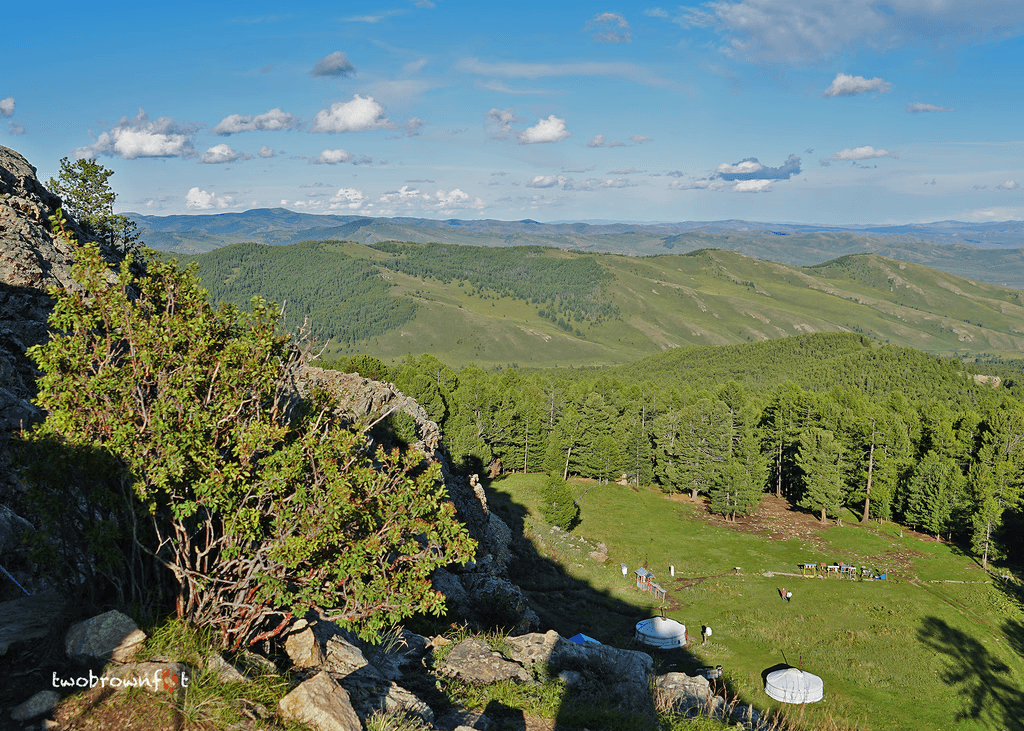
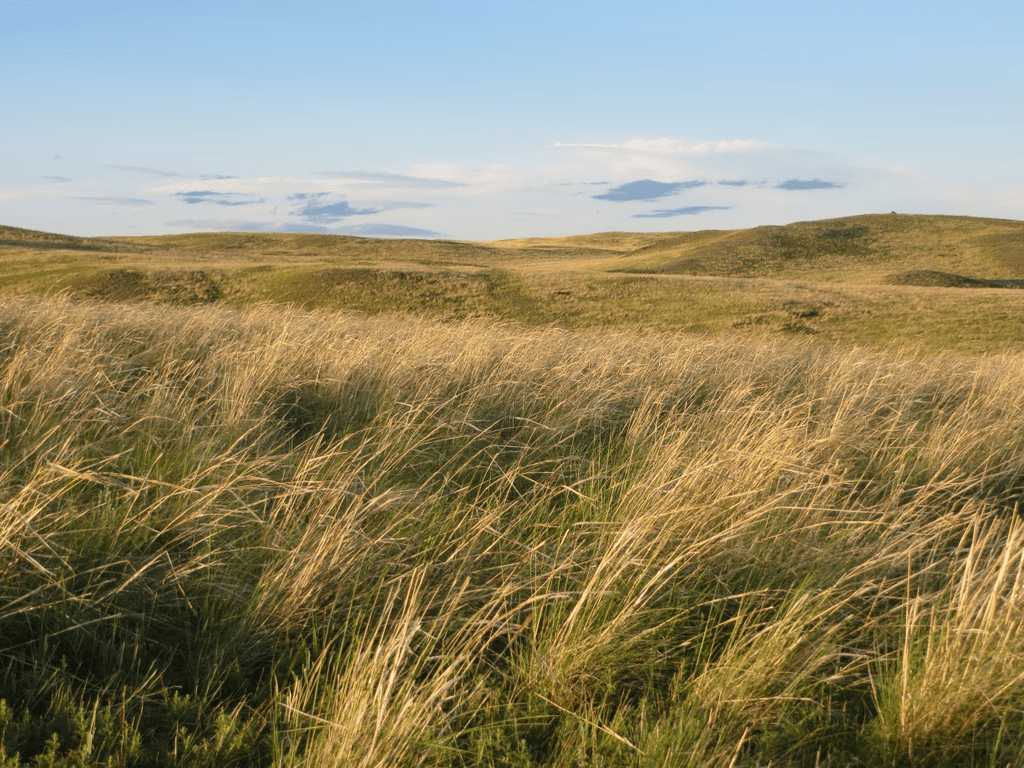
At URECA, we see grasslands as one of the world's most impactful climate solutions. In particular, Mongolian grasslands are significant carbon sinks, projecting a carbon removal potential of 440 million tCO₂e over 20 years (ADB). As critical ecosystems, they also sustain over 60 million livestock and herder communities who depend on them.
Unfortunately, Mongolian grasslands are degrading at an alarming rate and scale, demonstrating detrimental effects on the environment, climate, and communities. URECA thus strives to enable efficient and large-scale restoration through an innovative solution: a comprehensive Rangeland Digital MRV Platform. Through our very own platform, we aim to develop grassland carbon projects targeting climate resilience of both the ecosystem and the communities.
As a nature-based climate solution, grasslands cover nearly 40 percent of the Earth's land surface and sequester up to 34 percent of the terrestrial carbon (WWF). Protecting and restoring these ecosystems would prevent the loss of enormous carbon storages and ensure increased carbon removal from the atmosphere.
Effective protection and restoration interventions require innovative monitoring, comprehensive analytics, and informed planning and decision-making. To unlock these enabling factors, URECA is developing a comprehensive Rangeland Digital MRV Platform, with an integrated machine learning model, built on field data, laboratory results, and remote-sensing and multi-spectral drone images.
Our services
URECA's Rangeland Digital MRV Platform offers a clear, comprehensive view of rangeland ecology—combining insights on ecosystem health, soil carbon, carrying capacity, and livestock movement in one place.
Herders and land stewards play an active role, using the platform to capture field data, while built-in machine learning models automatically identify plant species and turn observations into actionable insights.
Built for decision-makers, project developers, and herders alike, the platform also includes practical tools for feedstock planning and grazing management.
Together, it enables smarter, data-driven decisions for grazing and grassland restoration—delivering real ecological, social, and economic impact.
Impacts
Ecological
- Restoration through destocking and rotational grazing
- Higher soil organic carbon (SOC) and vegetation cover
- Improved water retention and biodiversity
Economic
- Livestock productivity and pasture yield increase
- Local jobs in monitoring and restoration
- Carbon revenue under VM0032 / VM0042
Social
- Empowered herder communities through pasture governance
- Strengthened social cohesion within grazing groups
- Greater climate resilience for rural households
Our projects
Previous
A pilot research study conducted in partnership with the Asia Foundation, “Impact of Grazing Exclusion on Vegetation and Soil Carbon in Zavkhan Rangelands 2023-2025”
Ongoing
Development of URECA’s Rangeland Digital MRV Platform
Piloting a grassland project with our partner, GoodGrowth, to enable transition from a volume-based model to a quality-focused initiative. The project emphasizes a sustainable supply chain, including fiber and meat products, while integrating rangeland restoration with sustainable fiber and meat value chains.
Future
Development of an independent carbon project on grassland restoration in Mongolia
Our clients





Our Sustainability Policy
At URECA, we believe climate responsibility begins with bold action and transparent governance.
Our Climate and Environmental Responsibility Policy outlines how we integrate sustainability, innovation, and equity into everything we do — from digital carbon solutions to clean energy projects.
Click below to read the full policy and learn how we're advancing a just energy transition, supporting nature-based solutions, and building a net-zero future.